Last reviewed and updated on 16 November 2026 against CMAJ, iGaming Ontario, Mental Health Research Canada and Lancet Public Health Commission sources.
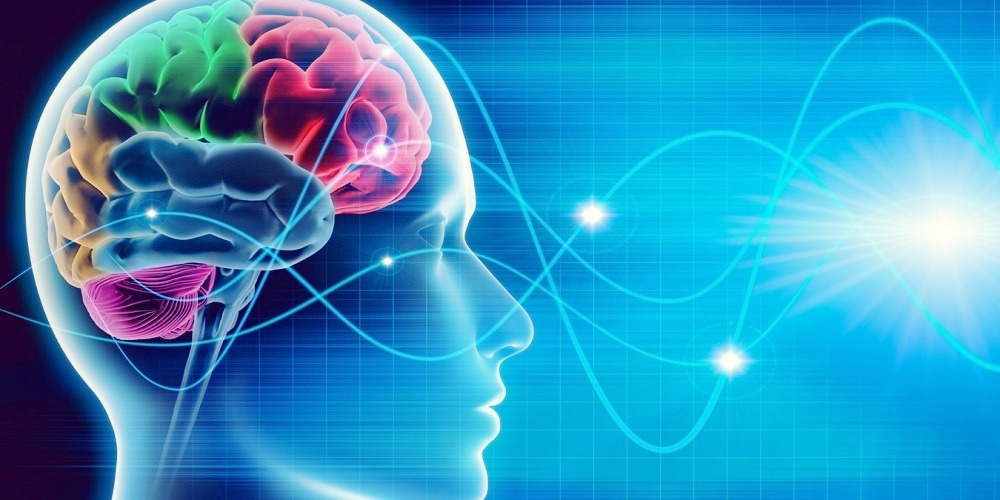
Gambling runs on the mesolimbic dopamine pathway, the same reward circuit the brain uses for food, sex and money. The odd part is the timing. The dopamine response peaks while the outcome is still unknown rather than at the moment of the win, which is where most of the trouble starts.
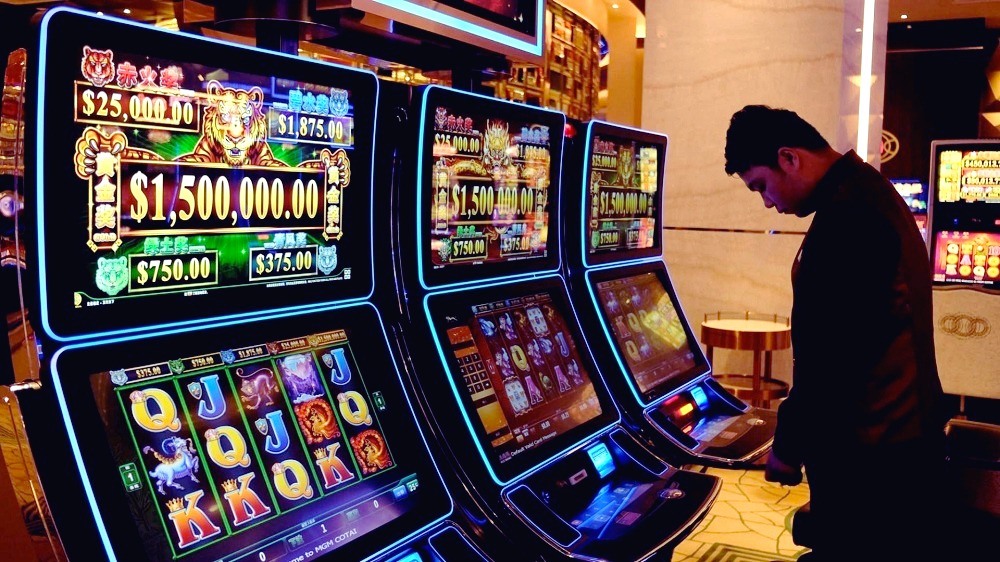
It seems odd that anyone would get hooked on gambling. After all the activity is a rather certain way to burn through a pile of money without any substantial return and consequences that can quickly go from upsetting to dire.